
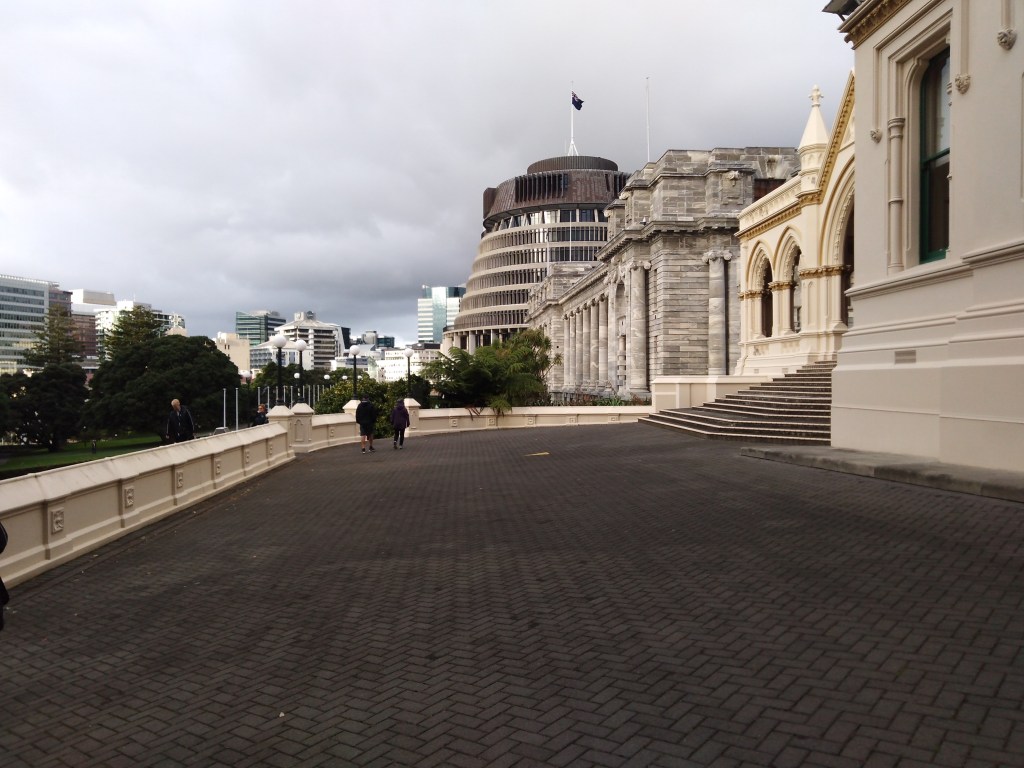
For years I have watched as successive Governments have passed legislation under urgency in the New Zealand Parliament. In almost all instances, the use of Parliamentary Urgency has not been justified, and this article looks at examples of such behaviour.
The most recent example of this is a law change by Minister of Social Development Louise Upston, which went public on the Parliament website on 17 February, but had only a 2-day window for submissions, starting on 18 February. This meant that many who had reason to make submissions might not have even known it was at the Select Committee stage before it closed. The Office of the Ombudsman said that due to the severe time limit it was difficult to properly process the implications, never mind write a submission that accurately reflected that. The fact that 850 submissions, all opposed, managed to reach the Select Committee is a useful indicator of how short sighted the legislation is.
In my mind there should be penalties for this kind of behaviour by any Government. I have never been a supporter of urgency except in very pressing circumstances where life, property or the nation’s general welfare is immediately threatened. I have opposed in the past both National and Labour-led Governments passing legislation under unnecessary urgency.
In 2013 I opposed the Crown Minerals Amendment Act 2013. I did so because it introduced significant penalties for peaceful protest at sea around oil rigs and drilling/mining sites that were added at the last minute by the then Minister for Resources and Energy, Simon Bridges. In March 2019, following the Christchurch mosques massacre, I got off a fast submission acknowledging the necessity of the more restrictive firearms control legislation, but warning against excessive speed. In May 2020 when COVID-19 related legislation permitting the enforcement of Level 2 limitations on gatherings was passed under urgency, I supported Amnesty International New Zealand’s push back against the lack of constitutional safeguards. I would have pushed back against the new legislation being announced by Mrs Upston except submissions closed on 20 February 2026 before I even knew about it.
I will continue to push back against legislation passed through Parliament with undue haste. I will remember Sir Geoffrey Palmer’s statement that we in New Zealand have the fastest law making in the West, which was not said as a compliment to efficiency. Efficiency would have been to follow standard procedure, have a promoted period where the media are encouraged to report on particular Bills at the Select Committee stage (between 1st and 2nd Readings of the Bill of Parliament), before going back to Parliament for the remaining two Readings.
But I will not support legislation done on the hoof simply for supporting political agendas. It is contrary to democratic practice, encourages poor legislative outcomes and will ultimately cost the country unnecessarily down the road.
 Leftist Kiwi Writes