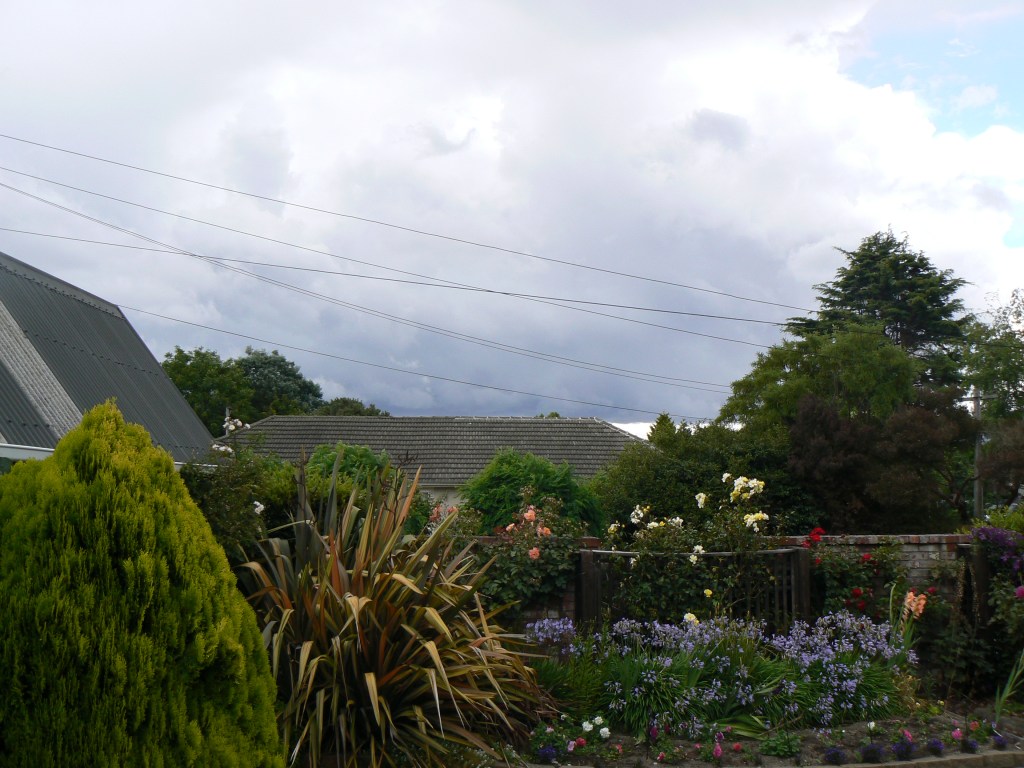
2026 begins overcast, with black clouds of various kinds hanging around New Zealand. I do not just mean the thunderstorms that have been striking various parts of the country over the last week, or the deluges that have come from them. The economy is not looking flash. Crime remains stubbornly visible to a lot of people, despite National making a promise to get tough on youth crime. Unemployment is rising – the coming changes to how we manage the environment, local government (regional councils) and the push back from tourists when they see what we are doing to our biggest asset – will potentially put thousands out of work, on top of the many who have already been made to quit.
It is election year. In or before October 2026, there will be a general election, where New Zealand decides what kind of Parliament that they want for 2026-2029. After 2 turbulent years of economy first, everything else second – including the cost of living – we now have a good idea of what this Government looks like and behaves like.
My grumbles about this Government are well known. They are sufficiently incompetent that, assuming Labour find its mongrel and put out some serious policy alternatives, this National-led Government stand a very good chance of being the first one-term National Government in New Zealand history.
BUT….
We have also seen what the Opposition looks like and behaves like. Unfortunately for Labour, they look almost completely unchanged from 2023, when they were handed one of the heaviest drubbings ever dished out by New Zealand voters. More unfortunately still, they still have all dead wood that I bemoaned in the last election cycle, and – as yet – no seriously new policies. The entire front bench need – Hipkins included – to either significantly step up, or step aside (read resign from Parliament).
I will not be voting for a Parliamentary party. As in 2023, I am supporting The Opportunity Party (note the name change), with its new leader Qiulae Wong, a 37 year old who has had a significant career working across various brands working to develop sustainable and ethical businesses. I am a believer that the road to a better New Zealand will not be built on what T.O.P. call “pendulum politics”, where we swing to the left and swing to the right – each swing undoing the progress made by the last swing in the other direction. In the last couple of election cycles the swings appear to be getting stronger, and the exasperation of many New Zealanders with the lack of progress is understandably rising.
I have nothing to suggest that after two years of fiscal mismanagement, that Minister of Finance, Nicola Willis is going to deliver any kind of circuit breaker in the 2026-27 Fiscal Budget (due in May). Her opposite number, Labour M.P. Barbara Edmonds might be bright, but she needs to start dropping some significant hints about what Labour is contemplating – if indeed they are contemplating anything at all.
In his role as Minister of Foreign Affairs, I have lost all confidence in New Zealand First Leader Winston Peters. Mr Peters has forgotten that we advocate for a two-state solution (now dead in all but name), and that New Zealanders generally frown on war crimes by anyone (Israel included). His tiff with the Cook Islands over their approaches to China show that even in Parliament, there are still people who think we should be a south Pacific colonial power.
Attorney General Paul Goldsmith is no better. He has just ignored a warning from the Supreme Court that his appointments to the Human Rights Commission and Disabilities Commission were in breach of New Zealand law. No response from Mr Goldsmith has been forth coming about how or whether he will rectify the breaches.
And unlike his immediate predecessors, Prime Minister Christopher Luxon seems to have departed from the early no-surprises approach that former Prime Ministers John Key, Bill English, Jacinda Ardern have taken to setting election dates at the start of the year. One will be forthcoming soon, or voters, businesses and politicians alike will not know how to plan their political engagements.
 Leftist Kiwi Writes